|
-------------------------------------------------------------------------------------------
Types Of
Recording
There
are two basic approaches to recording:
-
Recording live - that is...all instruments and vocals being recorded in one
take which produces a more raw, rough sound.
-
Multi-track recording - each instrument being recorded independently
allowing for cleaner and more polished sound.
The
correct method for you depends on the type of music you would like to record
and probably your budget.
A lot
of solo vocalist use pre-recorded music and overdub their vocals, harmonies,
adlibs to the mix. If you have a punk band and need a demo but are on a
budget, you might want to record live. Groups that need a more radio ready
sound and want to focus on each instrument independently will be
multi-tracking a lot of overdubs after the initial basic tracks, typically
the drum tracks.
-------------------------------------------------------------------------------------------
 |
Band
Recordings
If
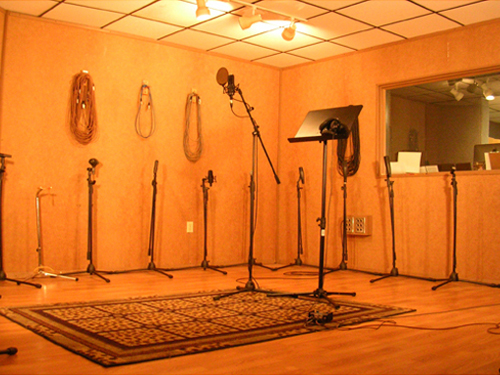
scheduled in advanced the studio will be available one hour prior to your
session. This time is available for you to set up your equipment such as
drums, amps, keyboards and other instruments.
Here's a couple options to consider when recording drums... for a more
polished sound we can mic the individual drums, place a pair of overhead
microphones above the kit and mic individual cymbals as need.
|
Micing just
the kick, snare with a stereo pair overheads is another common approach to
recording drums, especially for demos.
Ideally, the bass and guitar should each go through a DI and their
amplifiers should be miced which would allow us to blend the clean, high end
of the DI with the fuller, low end tone of the amplifier.
Vocalist can record a scratch track during the initial tracking. Often times
the vocalist will have the opportunity to overdub their vocals after the
music has been completed and also add harmonies.
-------------------------------------------------------------------------------------------
Electronic
Music
Such
as hip hop, rap, R&B, dance...
It's
common for vocalists to have pre-recorded music and just need vocals
recorded. Keep in mind when you are dealing with audio formats the .wav file
is a more superior format to .mp3s. Mp3s are great for sharing your music
quickly but their lower quality is not the best way to start your song.
-------------------------------------------------------------------------------------------
|
Recording Engineer
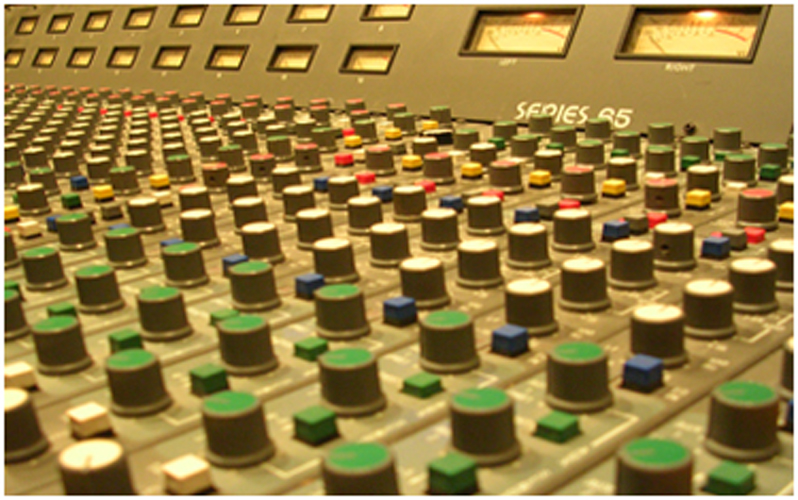
An engineer learns about the use and placement
of microphones, how to operate and maintain a
mixing
board,
recording
deck,
effects
and other machines, and how to
manipulate
the recorded sounds, to make the best, and often the most unique,
recording possible. A good engineer will strive to make recordings that
are both of high technical quality, and also pleasing to hear.
In larger productions, an recording engineer
is responsible for the technical aspects of your recording or other audio
production, and works together with the record producer. The engineer's
role may also be integrated with that of the producer. In smaller
productions and studios the sound engineer and producer is often one and
the same person.
|
 |
|

|
|
-------------------------------------------------------------------------------------------
© 2013
Emerald City Recording, Inc.
[email protected]
813-814-1062 |
|